Search Modernization
Estee Lauder Enterprise
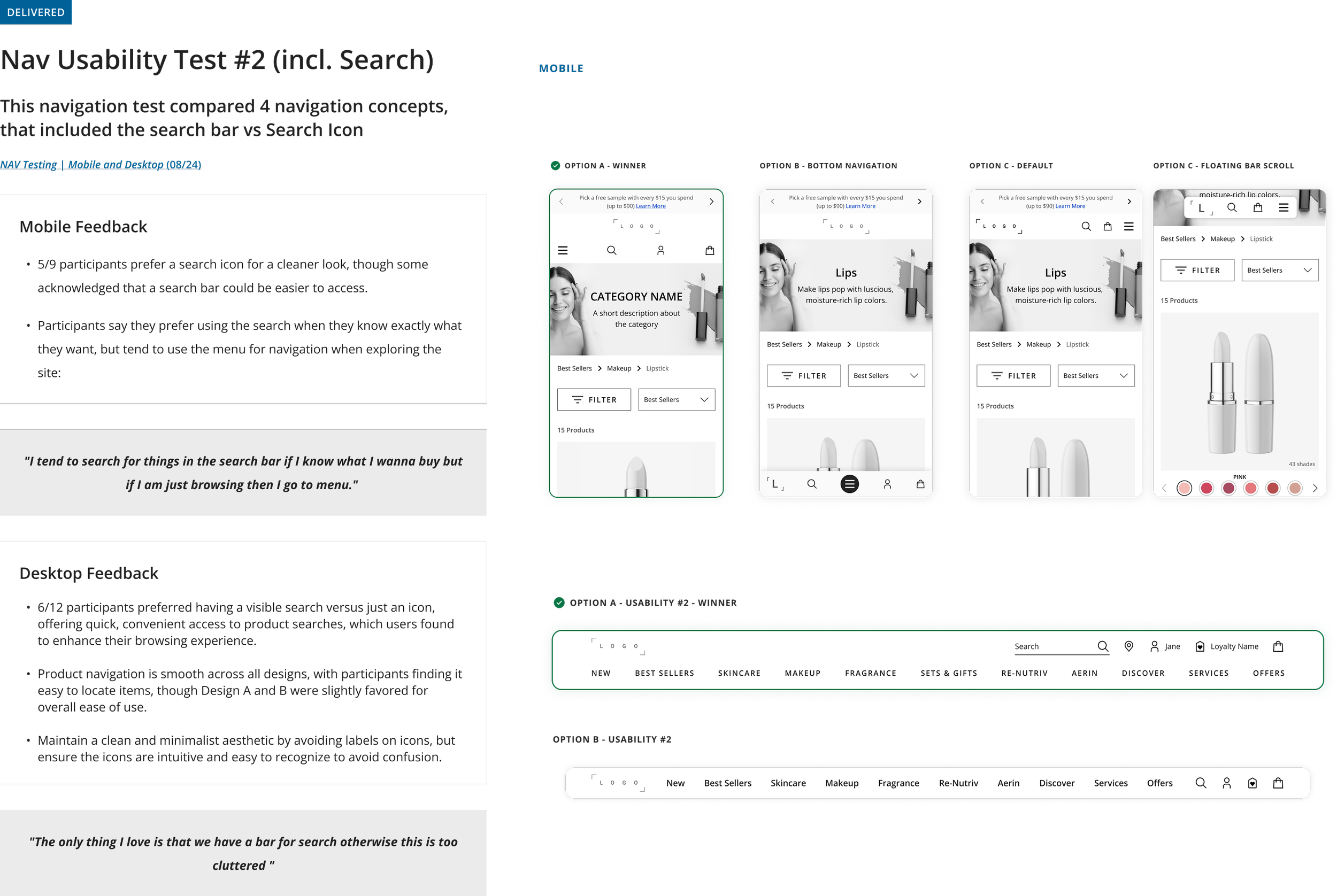
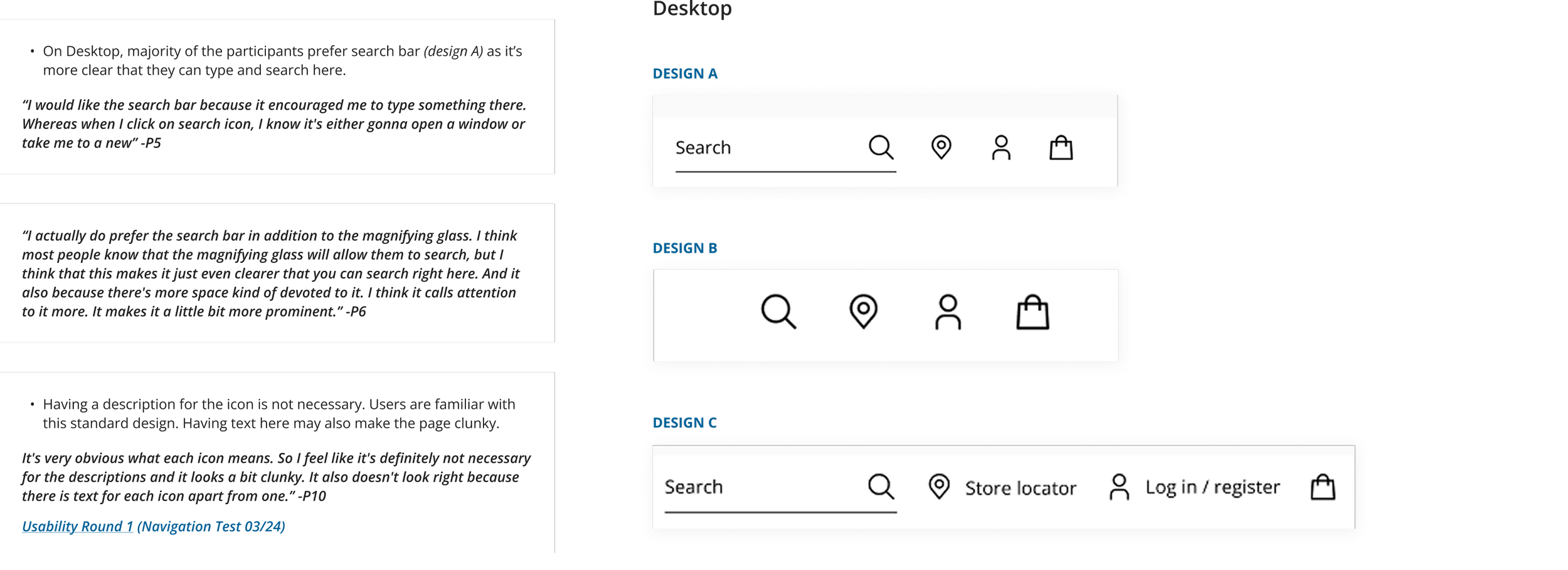
I led UX for Estée Lauder's enterprise search overhaul for global search, predictive results, and PLP filtering for Estée Lauder's enterprise platform. I designed interactive search states, filter components, and null-state patterns that any ELC brand could implement without a custom design pass.
I worked closely with our brand and engineering leads to perform rigorous user tests, prototying, and QA to ship a modernized search engine (Search 2.0) that reduced latency (delay) to <0s, delivering the fastest real-time results. Our goal was to improve reliability and accuracy of listing results, migrate brands to a uniform standard, and eliminate poor search results, and dead ends.
Tomfordbeauty.com
No unified search standard. Brand migrated blindly.
Estée Lauder operates dozens of beauty brands with shared infrastructure but had divergent search experiences. Search and predictive search lagged behind competitors — slower to generate results, less relevant, and with no unified standard across brands. Individual brand teams had no clear path to migrate from legacy search without breaking their existing experience.
Problems:
1. Search performance — results were slower and less relevant than competitors.
2. Dead Ends — Search results were irrelevant, the PLP was unfiltered, and predictive suggestions were generic.
3. Enterprise adoption — without a clear standard, brands couldn't confidently migrate to modern search infrastructure. Every brand was solving the same problem from scratch.
Benchmarking
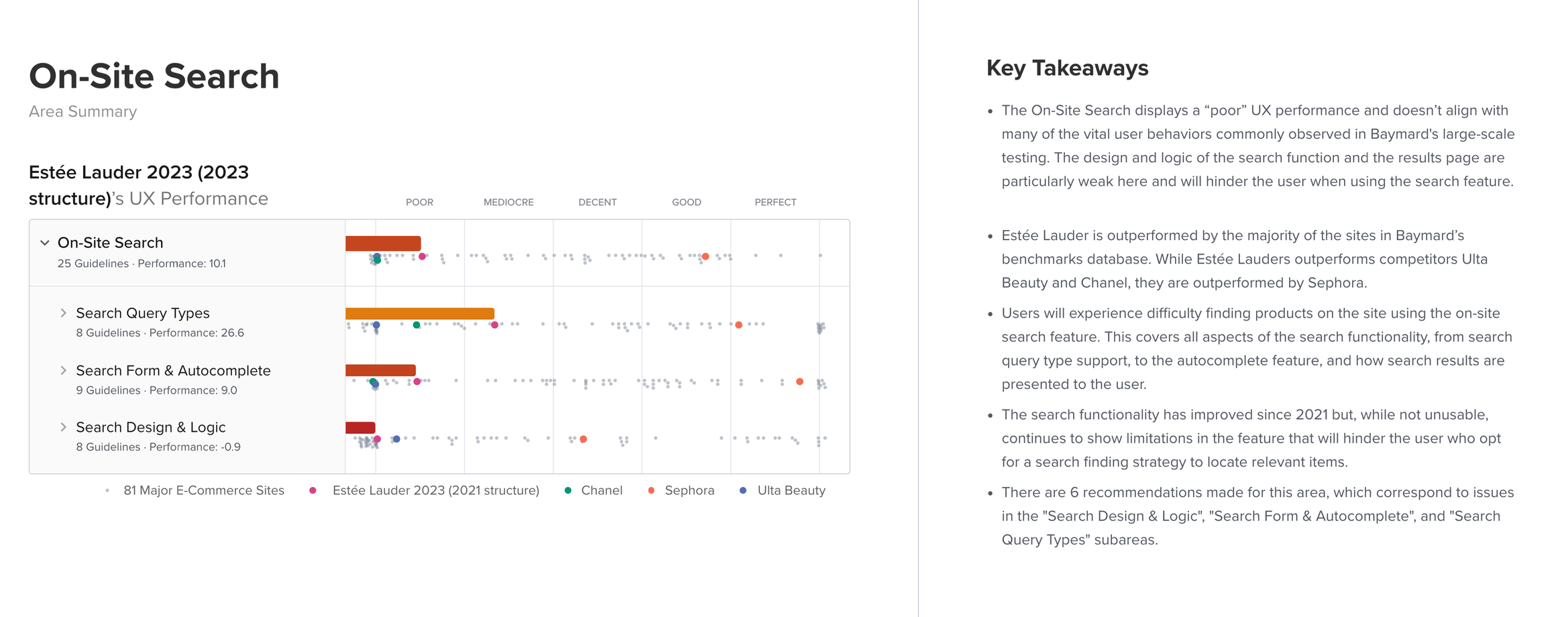
I conducted a structured competitive audit using Baymard Institute to identify where ELC's search experience fell short of best-in-class e-commerce standards — creating an evidence-based case for the redesign that landed with brand directors who needed data, not just design opinions.
PLP Search & Filtering
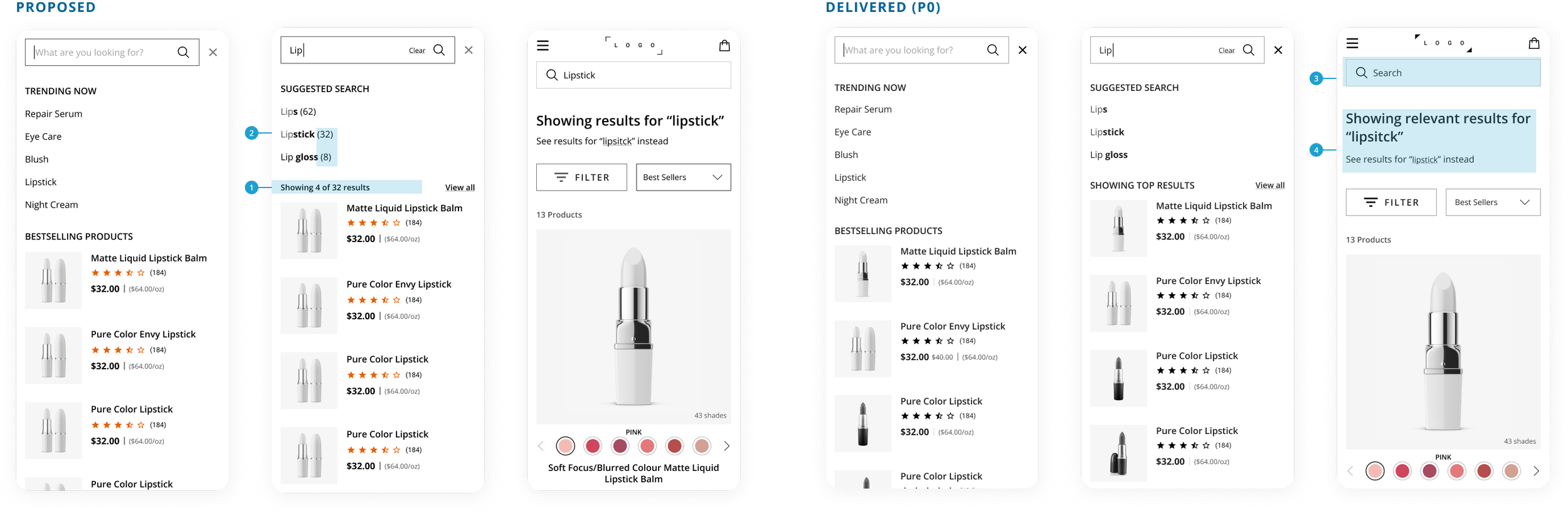
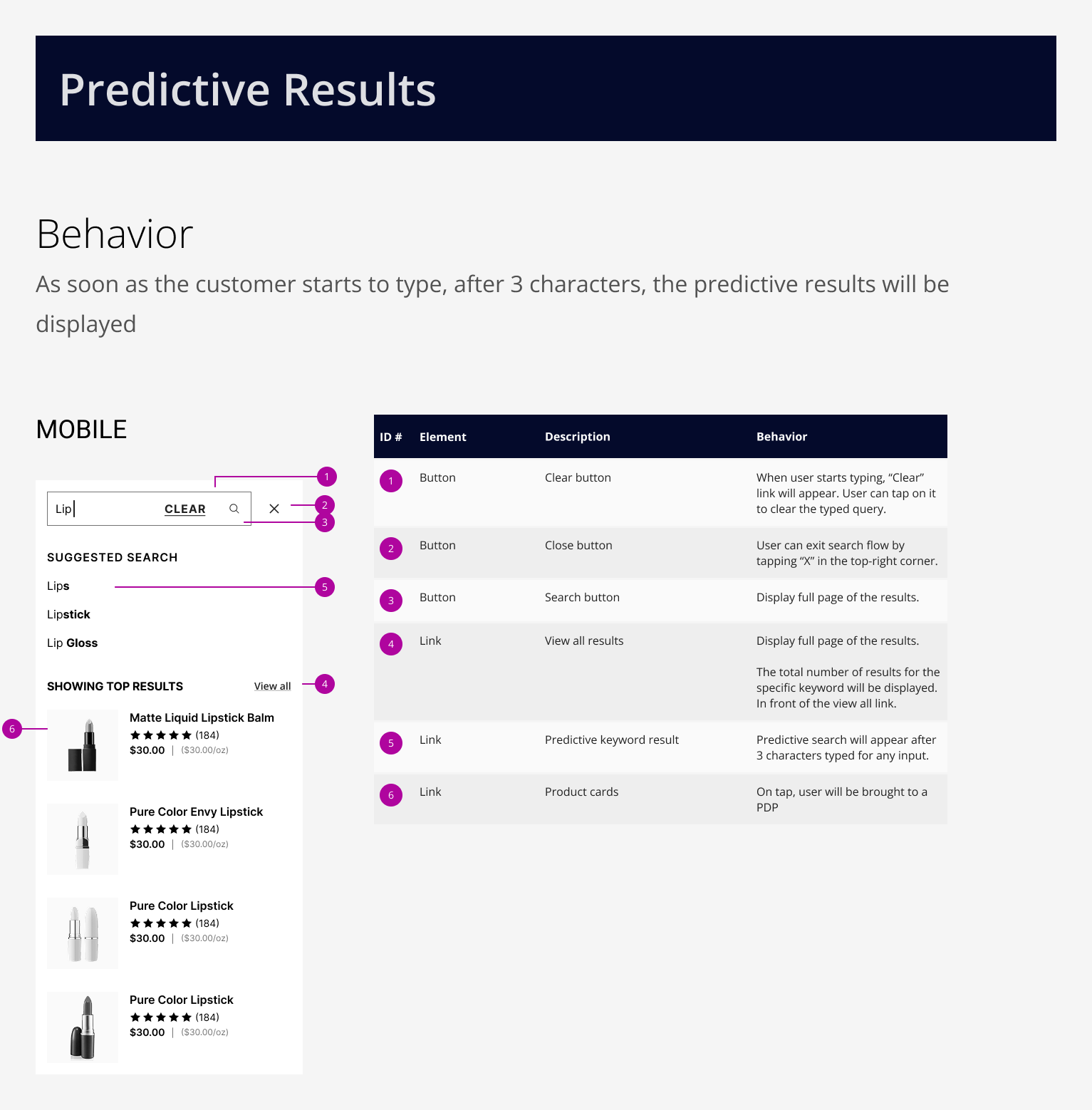
The design was a type-ahead system that surfaced brand-specific products, categories, and editorial content — not just keyword matches. Each brand's search felt distinct while sharing the same underlying component.
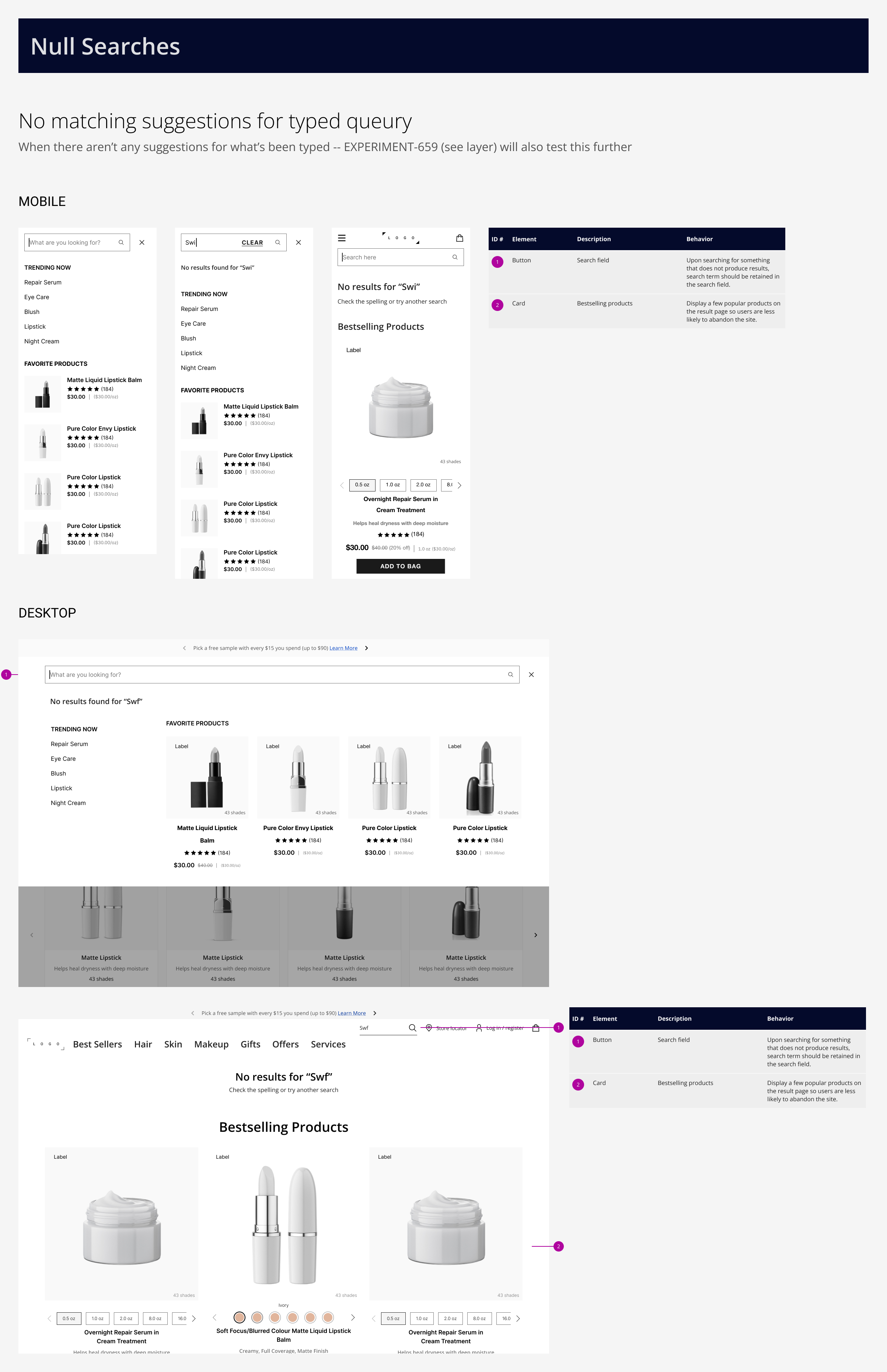
Graceful fallback state: suggested alternatives, related categories, and an editorial "you might also like" row — so a failed search still converted.
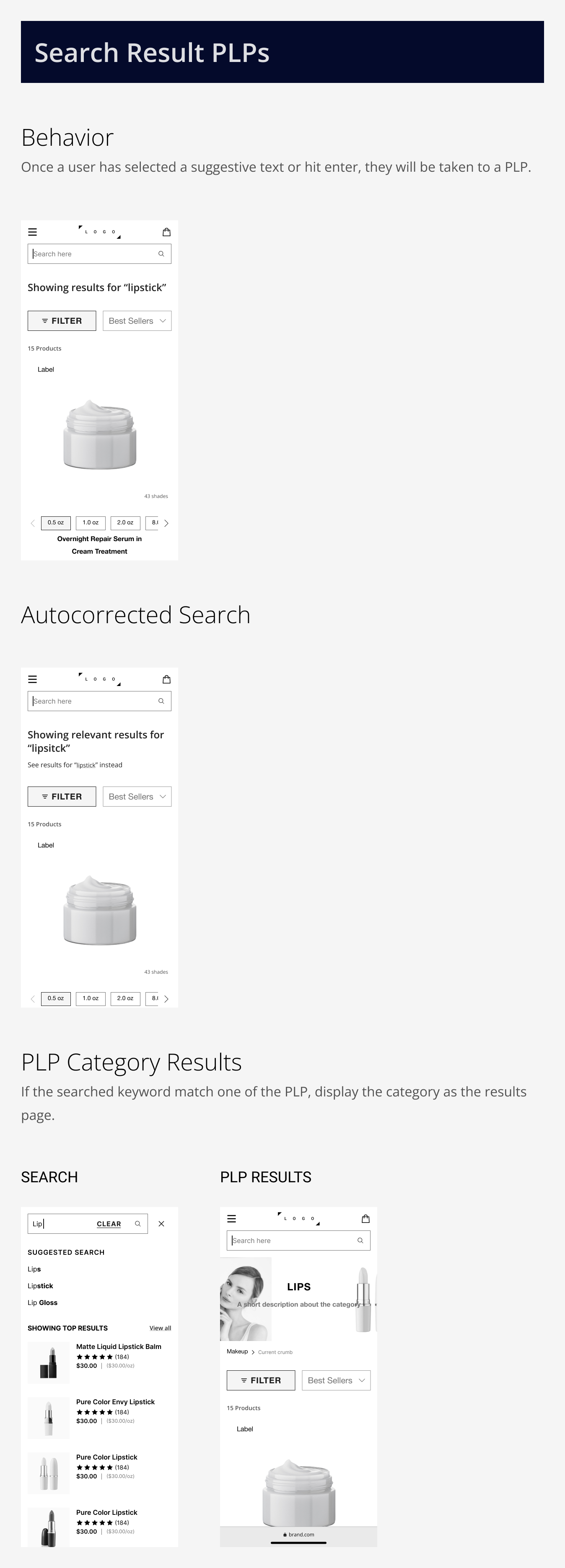
Search results became a multi-dimensional filter panel for the product listing page — shade, formula, finish, skin type — with real-time result updates and a persistent active-filter bar so users never lost context.
User Feedback

Enterprise Layers